If you’re visiting Dwarka for the first time, get ready — this isn’t just another pilgrimage; it’s a journey into one of the oldest living cities of faith. Every corner here whispers stories of Krishna, devotion, and the timeless rhythm of the Arabian Sea.
As locals, we’ve seen how first-time visitors often rush through the darshan or miss hidden spots that hold the real essence of Dwarka. This guide is meant to change that — to help you experience the city not as a tourist, but as a devotee discovering Krishna’s own kingdom.
Start with the Heart — Dwarkadhish Temple
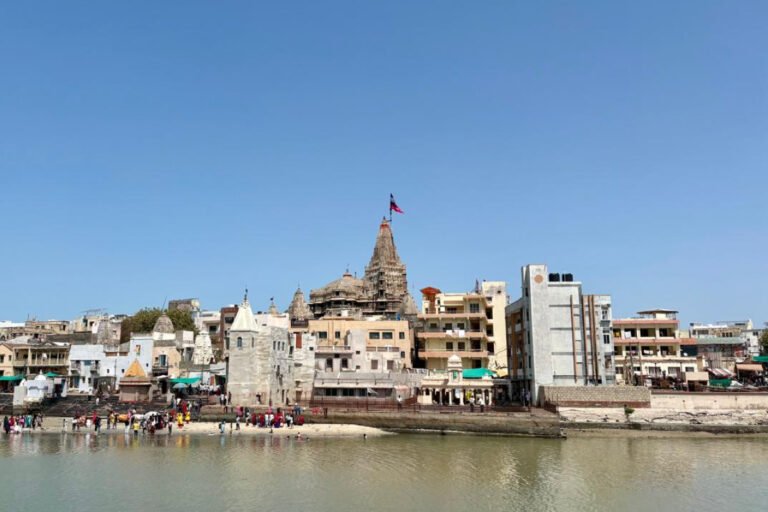
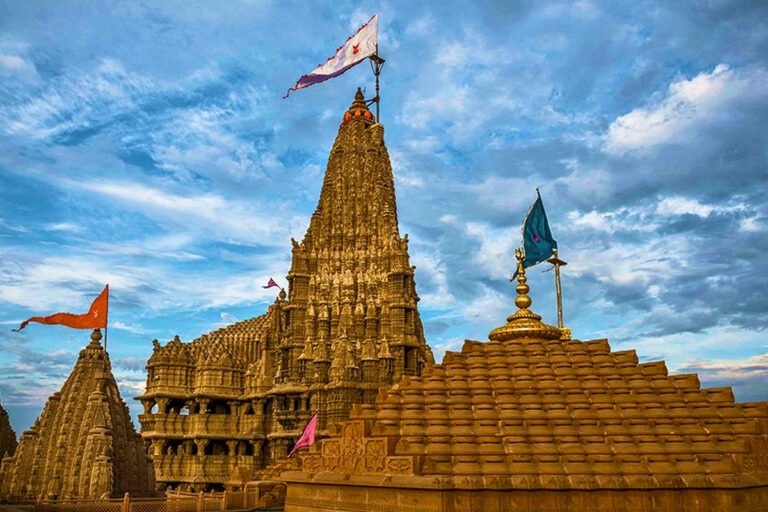
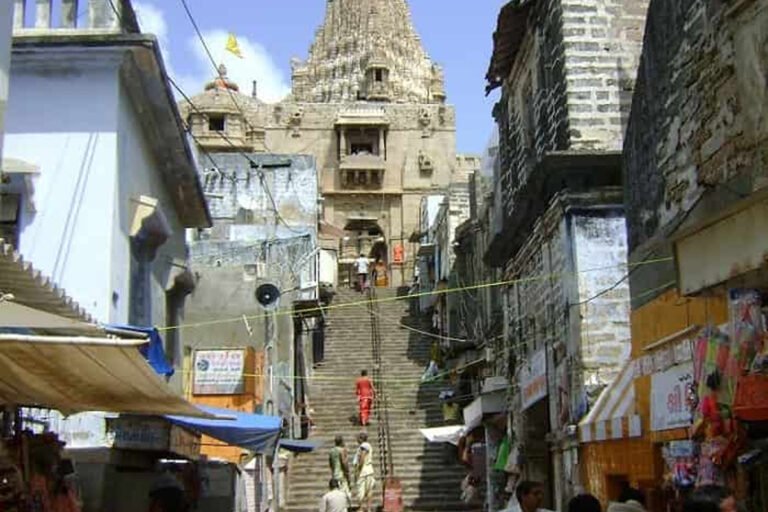
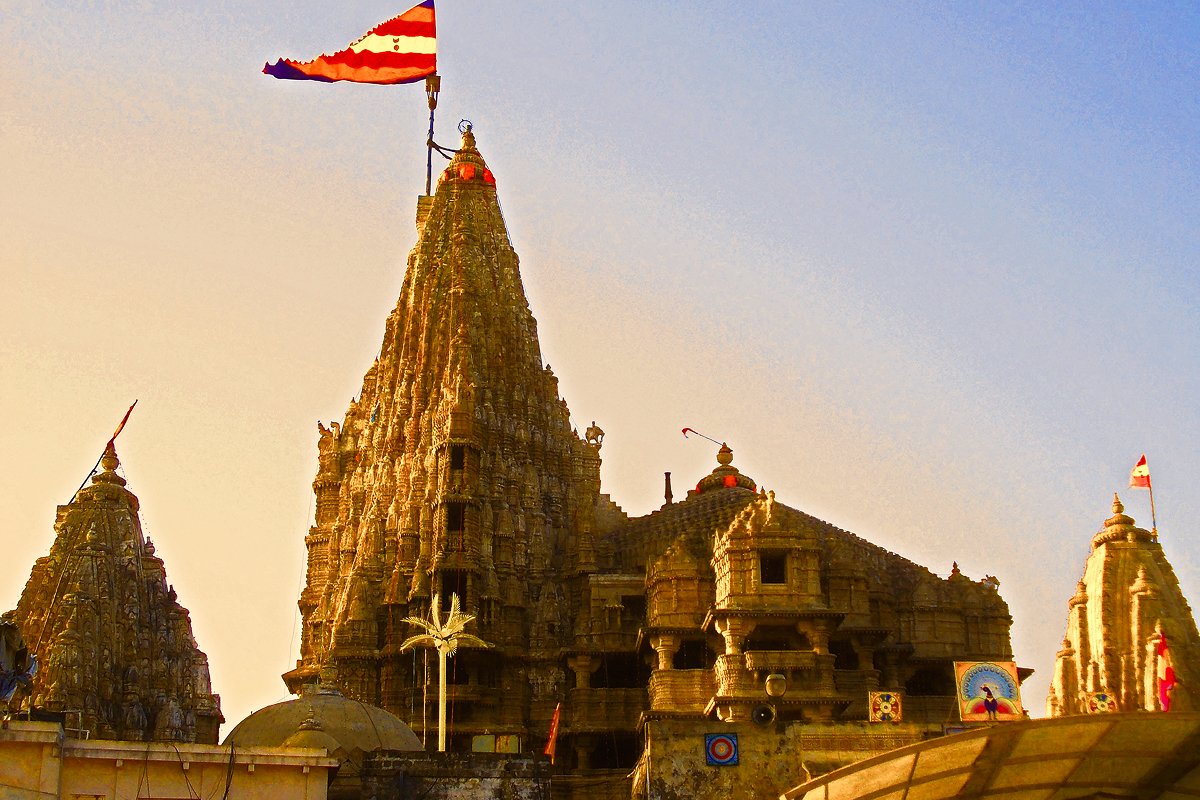
Everything in Dwarka begins and ends with Dwarkadhish Temple. Standing tall near the Gomti River, this 2,500-year-old temple is believed to be built over Krishna’s original palace. The temple opens early, around 6:30 AM, and mornings are usually crowded.
If you want a calmer darshan, aim for the evening aarti — when the temple glows golden against the sunset and the chants echo through the ghats. Photography isn’t allowed inside, so keep your phone in the cloakroom near the entrance. Don’t forget to carry Tulsi mala or prasad from nearby stalls — small gestures that hold deep meaning here.
From here, you can explore everything else — because Dwarkadhish Temple isn’t just the center of the city; it’s the spiritual compass for your entire journey.
Tip: Buy prasad from inside of temple
Beyond the Main Temple — Sacred Sites You Shouldn’t Miss
Dwarka isn’t only about one temple. The real experience unfolds when you follow the same path many saints and devotees have walked for centuries.
1. Bet Dwarka (32 km)
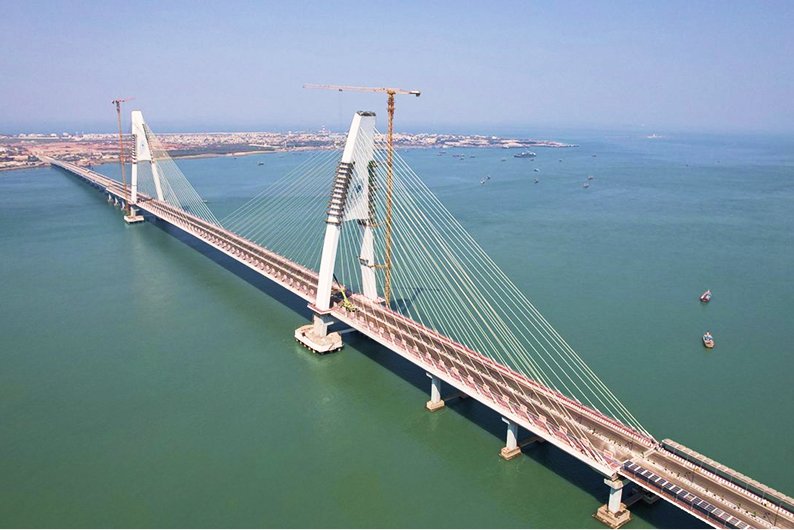
Beyt Dwarka is believed to be Shri Krishna’s residence — the island where he lived with his family. For years, pilgrims had to take a ferry across the sea to reach it. But now, thanks to the newly opened Sudarshan Setu bridge, you can directly drive there in your own car or two-wheeler.
Once you cross the bridge, parking is available right before the temple zone — from there, it’s about a 1 km walk to reach the main Dwarkadhish Temple on the island. Remember, mobile phones and cameras are not allowed inside, but free lockers are available nearby.
The temple is open from 7:30 AM to 1:00 PM, and again from 5:00 PM to 8:30 PM, so plan your visit accordingly — most locals prefer going in the morning before 1 PM. Don’t miss Hanuman Dandi, located nearby, where Hanuman met his son Makardhwaj.
2. Nageshwar Jyotirlinga (16 km)
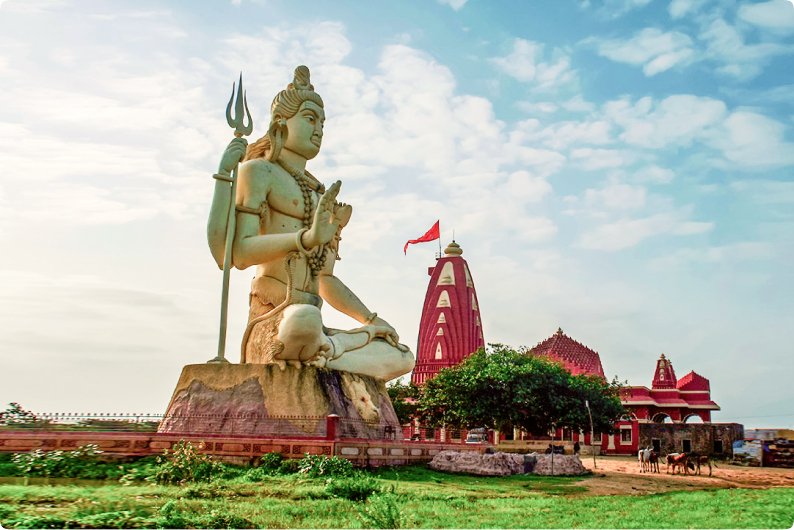
One of the twelve sacred Jyotirlingas of Shiva, it’s said that a visit here completes the spiritual circuit of Dwarka. The 80-feet tall Shiva statue outside the temple is a sight in itself, and mornings are peaceful for darshan.
Gopi Talav (21 km)
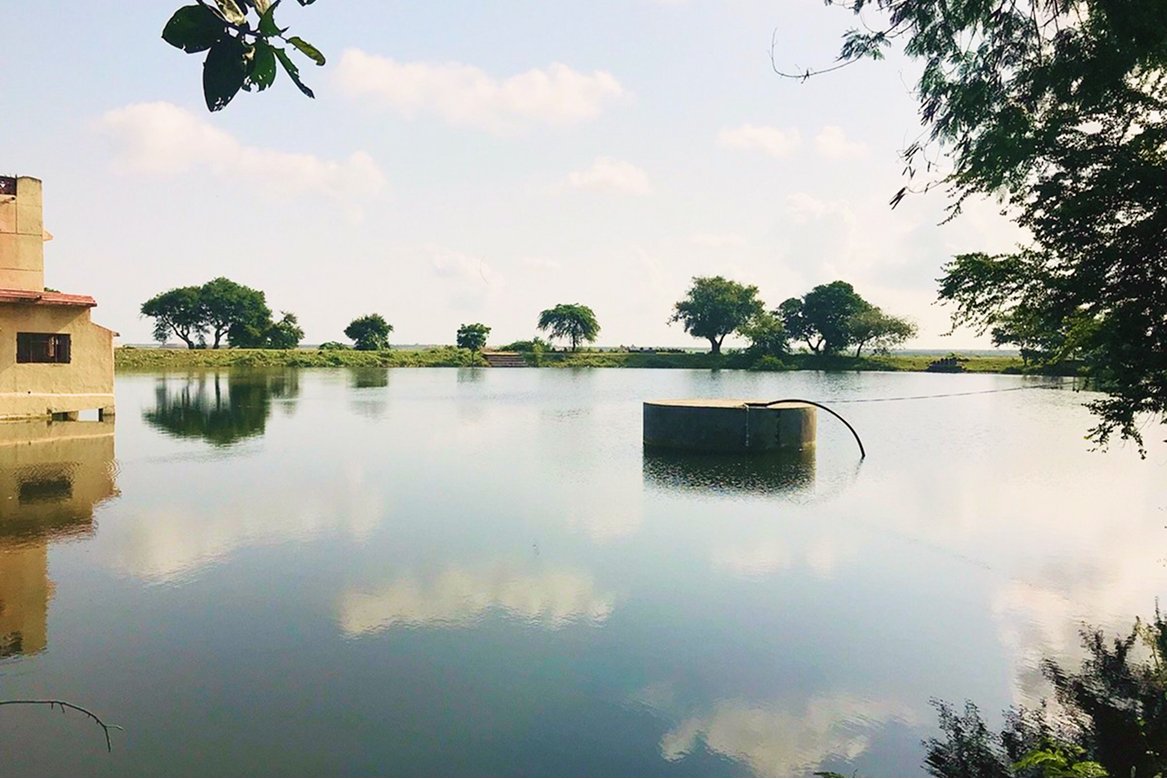
A simple but emotionally charged place. Locals believe this is where the gopis met Krishna for the last time before he left for Dwarka. The soil here is soft and yellow, used by devotees as sacred chandan.
Practical Darshan Route (Locals’ Way)
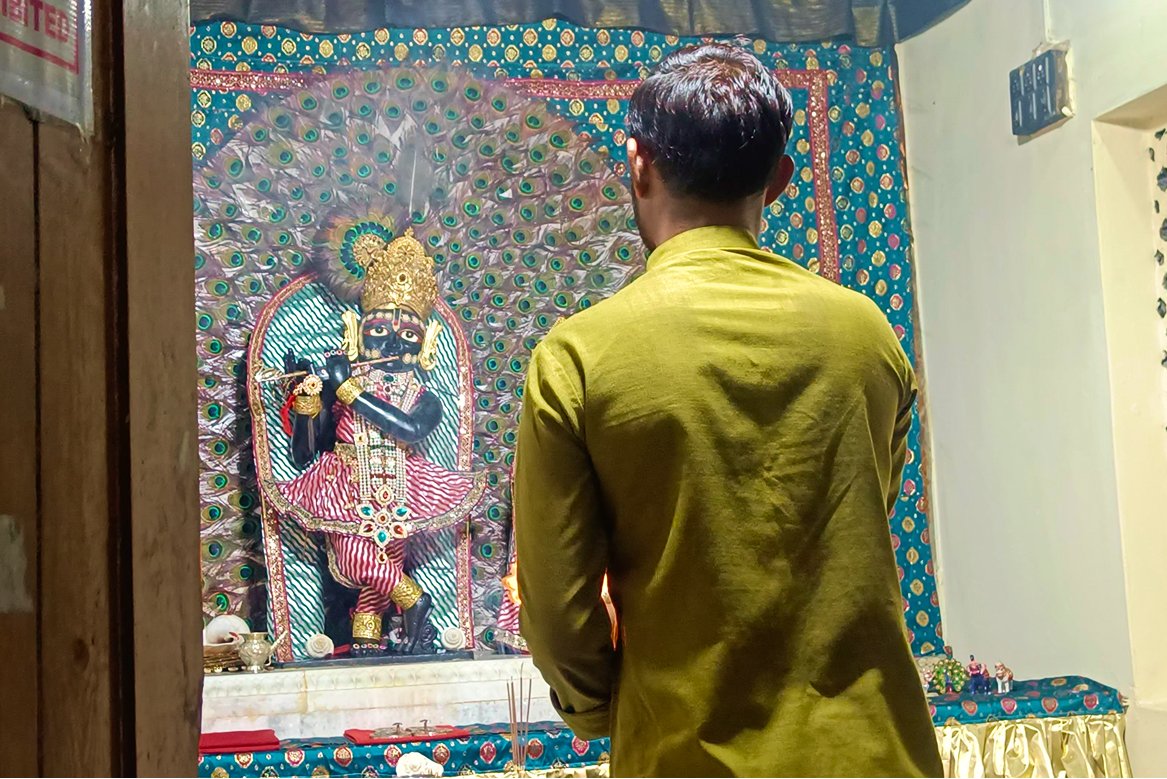
If you want to follow a smooth darshan sequence, here’s what most locals do: Start your morning early at Bet Dwarka, then visit Gopi Talav, move to Nageshwar Jyotirlinga, then Rukmini Devi Temple, and finally end your day with Dwarkadhish evening aarti.
It’s not just about convenience — this route follows the symbolic journey from Krishna’s divine past to his eternal presence in Dwarka.
Getting Around Dwarka
Dwarka is small enough to explore comfortably in a day or two. For transport:
- Scooty rentals (₹400–₹600/day) work well for solo or couple travellers.
- Auto (₹1500–₹2000/day) Affordable for medium size group
- Private cabs (₹2000–₹2500/day) are comfortable
- Dwarka Darshan buses are budget-friendly and cover major temples.
- If you’re driving yourself, parking near the main temple can be tricky — best to park a bit away and walk through the local lanes.
Where to Eat
Food in Dwarka is simple, sattvik, and full of local warmth. The most loved meal here is Khichdi-Osaman, a Gujarati-style comfort food often served at temple trusts. You’ll also find roti-samosa stalls near the temple lanes — a local favorite.
Popular restaurants among visitors and locals alike include:
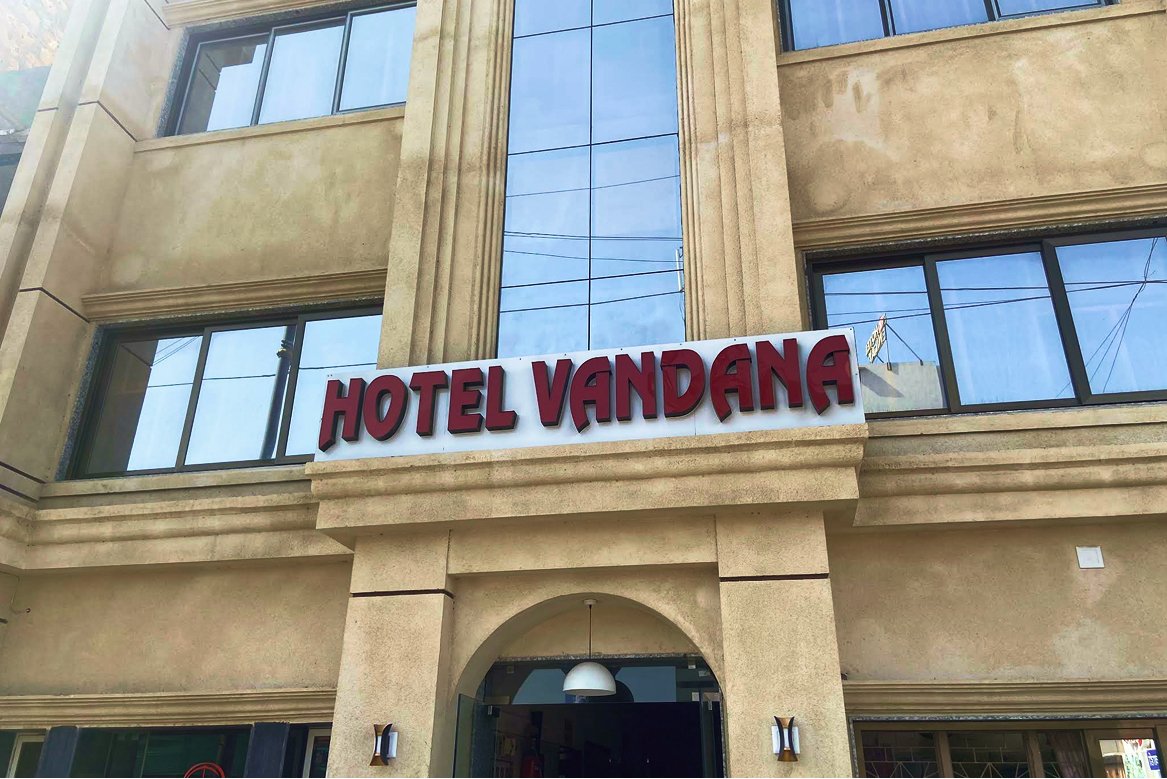
- Vandana Hotel & Restaurant (Local’s choice)
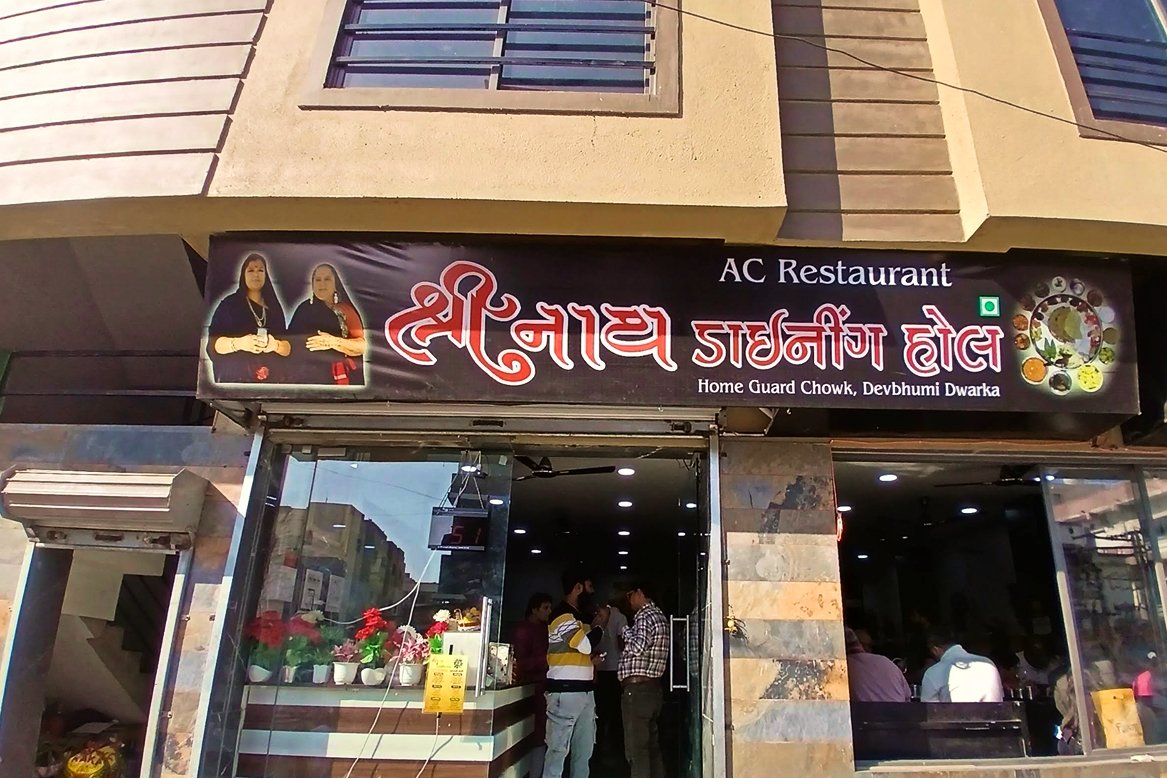
- Shrinath Dining Hall
- Basuri Restaurant
Don’t expect high-end presentation — expect honest food made with devotion.
Where to Stay
For comfortable stays within city limits:
The Dwarka (centrally located)
Fortune Hotel Dwarka (modern, clean)
The Grand Ladhukara (good for families)
Dwarka’s charm lies in simplicity, so even budget hotels around the temple are decent if you prioritize proximity to darshan over luxury.
Feel the City, Don’t Just See It
Dwarka isn’t meant to be ticked off like a checklist. It’s meant to be felt slowly — through the sound of conch shells, the rhythm of temple bells, and the sea breeze that seems to carry Krishna’s name.
Whether it’s your first visit or fifth, remember this: Darshan is not just about standing in front of the deity — it’s about letting Dwarka itself guide you closer to divinity.
Because here, every path leads back to Krishna.